
Nigerian phone ownership has three stresses that spec sheets ignore: ambient heat, dust, and power you cannot rely on. Interestingly, this is the first iPhone generation where Apple's headline engineering work speaks directly to the first of those.
What Apple actually changed for heat
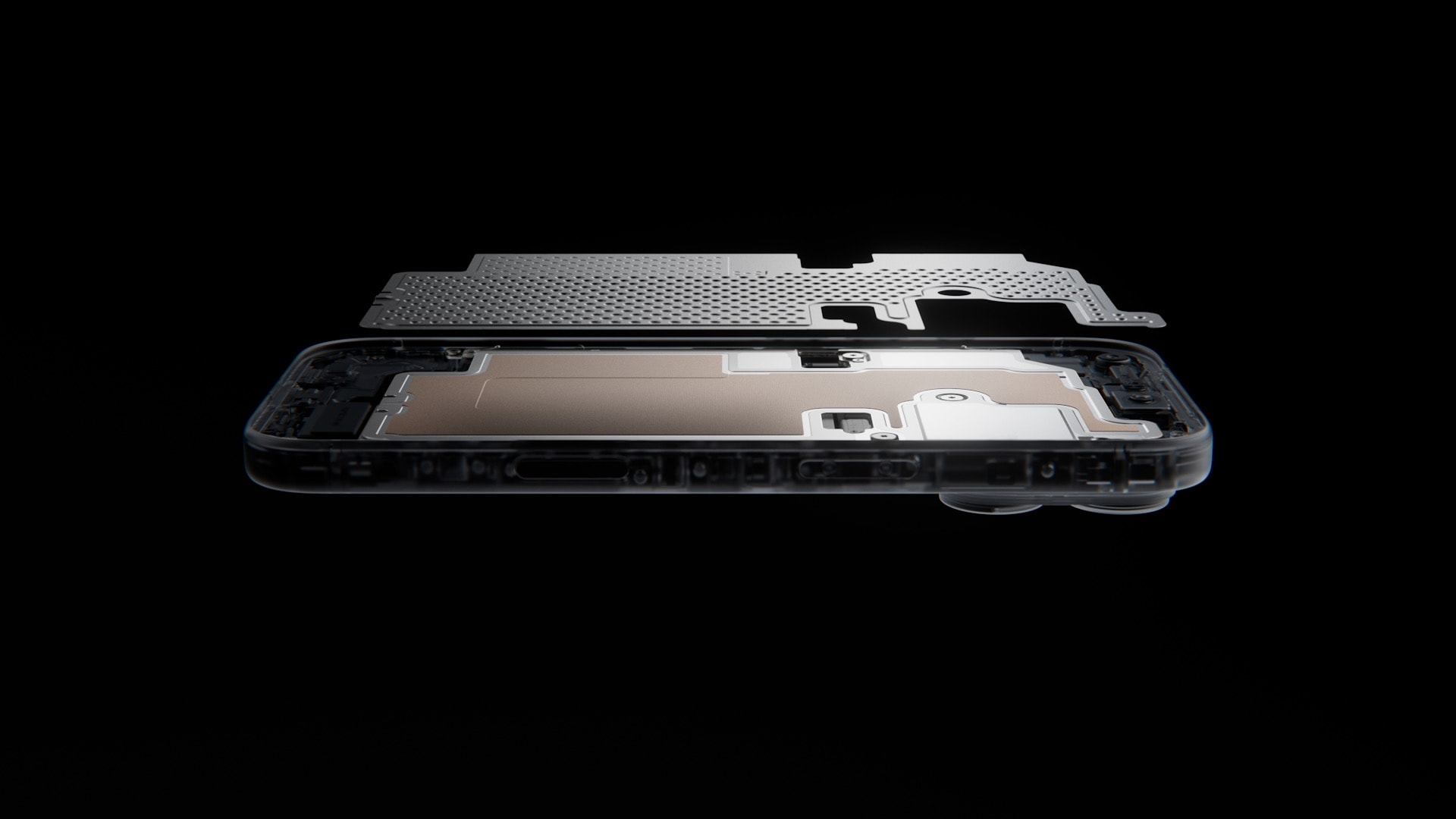
The iPhone 18 Pro has a new vapour chamber with roughly three times the surface area of the previous design, and Apple moved the memory out of the processor's heat path. Apple's claim: up to 40% better sustained performance.
"Sustained" is the key word. Peak speed is easy; staying fast while hot is the hard part, and it is exactly what fails in a Lagos afternoon or during a long outdoor video shoot.
Supporting changes:
- The A20 Pro is built on a 2nm process, which generally means better performance per watt
- The C2 modem uses 15% less energy than the previous generation
- Battery life rose sharply: up to 36 hours video playback on the Pro, 45 hours on the Pro Max (eSIM-only models)
Less energy burned means less heat generated. See battery life and charging.
Where it will still get hot
No engineering solves physics. Expect heat when:
- Fast charging in an already hot room
- Recording long video outdoors in direct sun
- Gaming for an hour with the screen at full brightness
- Charging wirelessly while using the phone
- The phone sits on a car dashboard — this is the worst thing you can do to it
Practical habits for Nigerian conditions
Heat
- Take the case off during long fast charges, especially thick cases
- Charge wired rather than wirelessly when the room is hot; wireless generates more heat
- Never charge under a pillow or on bedding
- Keep it out of direct sun and off dashboards
- If it feels hot, stop recording or gaming for a few minutes rather than pushing through
- Lower screen brightness outdoors when you can
Dust
- Harmattan dust gets into the USB-C port and behind cases. Clean the port carefully with a dry brush, never a pin
- Clean between case and phone monthly; trapped grit scratches the back glass
- Dust in speaker grilles muffles calls — brush, do not blow moisture into it
Power
- Use a good-brand USB-C Power Delivery charger, 30W or more. Unbranded market adapters are the leading cause of ruined charging circuitry here
- Use a surge-protected socket or extension where available; generator switchovers are hard on electronics
- Do not charge from a wobbly socket that arcs
- Keep a power bank charged for outages — details and Blunt options in chargers and power banks
- Avoid charging during a storm on an unprotected line
Battery longevity
- Leave optimised battery charging on
- Top up during the day rather than draining to zero and charging to 100% in one hot burst
- Heat, not cycle count, is what quietly kills capacity in this climate
Water, rain and humidity
iPhones have a water-resistance rating, but resistance is not immunity, and it degrades with age and after any repair — particularly a repair using non-genuine parts. Assume a repaired phone is no longer sealed. Rain, sweat and humid harmattan-to-rainy-season swings all take a toll. Dry the port fully before charging.
So, will it survive?
Yes — better than earlier Pro models, because sustained thermal performance is precisely what Apple worked on this year. The bigger risks in Nigeria are not the phone's design:
- A cheap charger frying it
- A drop that costs a six-figure screen replacement
- Heat slowly eating battery capacity because it charges hot every night
- No local Apple Store, so any fault means an authorised service provider and possibly shipping
All four are manageable with habits and a decent charger.
The honest alternative
If you want a phone that shrugs off Nigerian conditions without a ₦2.5 million exposure, our range is full of them — big batteries, sensible prices, sold locally with a receipt: