
A dropped iPhone 18 Pro is a six-figure repair in Nigeria. A case and a screen protector cost a rounding error by comparison, and they should go on the same day you buy the phone.
We are deliberately not naming specific case models here, because case availability in Nigeria changes constantly and we do not recommend products we have not seen. What follows is how to choose well from whatever is in front of you.
First, get the size right
The iPhone 18 Pro is 6.3 inches and the Pro Max is 6.9 inches. They take different cases. Also note the camera housing and the smaller Dynamic Island changed this generation, so a case from an earlier iPhone will not line up — the camera cutout is where cheap "compatible" cases fail.
Check three things on any case before paying:
- The camera cutout clears every lens, with no edge sitting over the glass
- The buttons and Camera Control area work through the case without sticking
- The USB-C port opening is wide enough for your cable, including thicker braided ones
Case types, honestly compared
| Type | Protection | Best for | Trade-off |
|---|---|---|---|
| Slim silicone or plastic | Scratches, small knocks | Keeping the phone's shape and feel | Little help in a real drop |
| Clear hard-back with rubber edges | Good all-round | Showing the colour off | Cheap ones yellow within months |
| Leather or leather-style folio | Screen covered, card slots | Business use, pockets | Bulk, and heat retention |
| Rugged with raised corners | Serious drop protection | Site work, travel, children | Thick, heavy, hides the design |
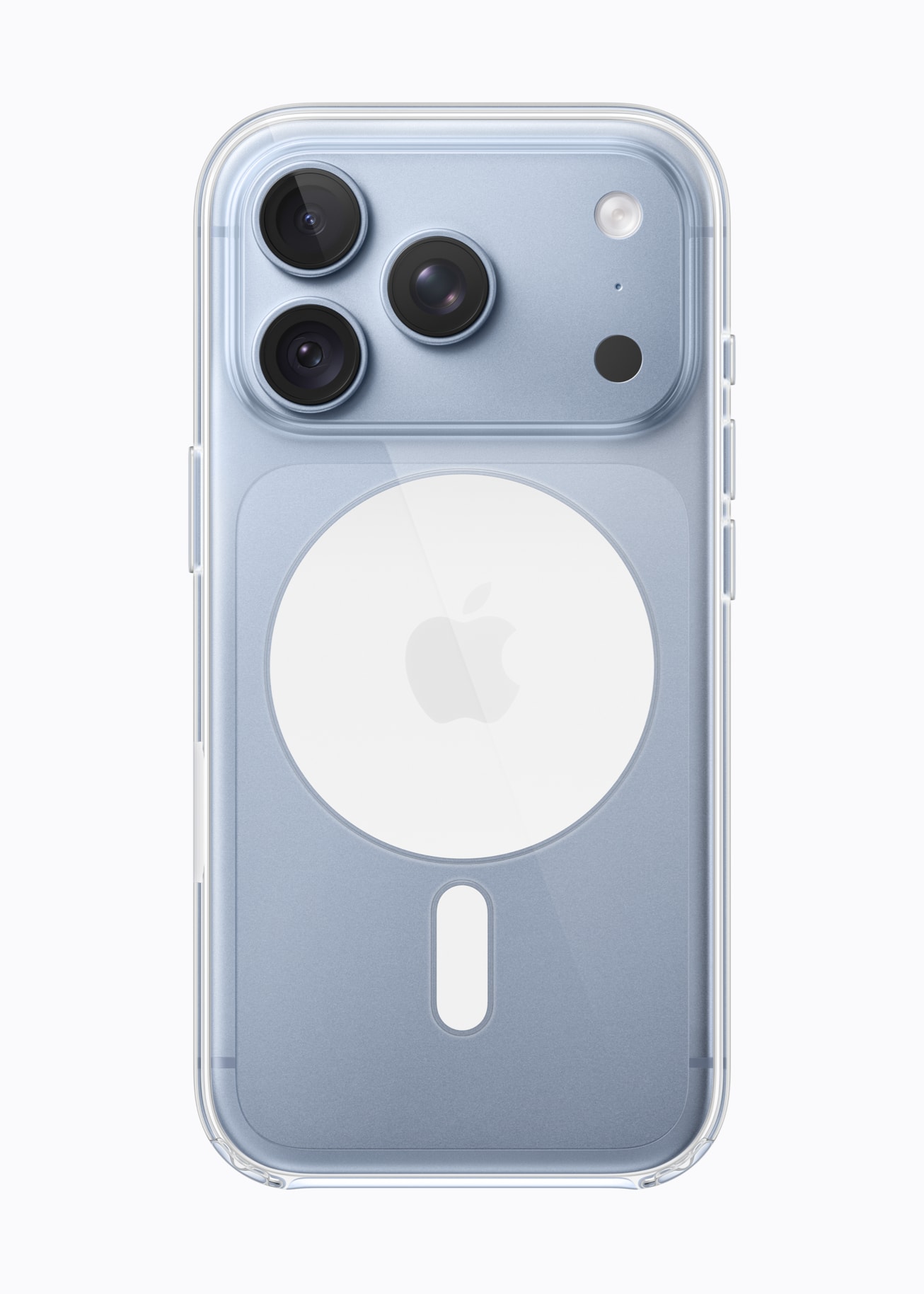
| Magnetic-compatible | Same as its base type | Anyone using magnetic charging | Costs more; magnets must be genuine |
If you paid extra for glacier or burgundy — see the colour guide — a clear case is the only way you will ever see it. Just accept that clear cases discolour, and budget to replace them.
Nigerian conditions change the calculus
Heat. Apple gave this generation a vapour chamber with three times the surface area of last year's, and it moves heat outward — through the back, into your case. A thick case works against it. Take the case off for long fast charges and long video recording. Detail in heat and power.
Dust. Harmattan dust gets into port openings and between case and glass, where it grinds. Clean the case out monthly; grit trapped against the back glass causes the scratches people blame on the case.
Rain and humidity. A folio that stays damp is worse than no folio. Dry cases properly.
Drops onto concrete. Raised corner protection matters more than overall thickness. Look for a lip above the screen and above the camera glass.
Screen protection
- Tempered glass is the standard choice. Get one with edge coverage, not a small central pane.
- Have it fitted by someone competent, dust-free. A badly fitted protector traps grit and lifts at the corners.
- A protector that cracks has done its job — replace it rather than living with a spider-web.
- Confirm Face ID and 120Hz touch response still behave normally after fitting. Very thick protectors can interfere.
Compare the cost of a protector with a Pro-series screen replacement in Nigeria and this stops being a debate.
Avoid these
- Cases advertised for "iPhone 17 Pro / 18 Pro" as if one fits both
- Magnetic cases with weak or fake magnet rings — they cause slow, hot wireless charging
- Bulky cases with no port clearance, forcing you to use only their bundled cable
- Cases sold with the phone at no extra cost, which are usually the thinnest available
Buy where you can return
Fit is the whole game with cases, and photographs lie. Buy from a seller with a physical address who will exchange a case that does not sit right. The same rule that applies to the phone applies to its accessories: see where to buy safely.
The wider point
Every phone deserves this treatment, not just a flagship. If you are shopping in a more sensible price range, the same case and protector logic applies: